欢迎加入机器学习与数据挖掘课题组!
Biography
- Full Professor(天津大学 教授,博士生导师)
- yangliuyl@tju.edu.cn
- Office: 55-B521, Peiyang Campus, Jinnan District, Tianjin, China, 300350
- Tianjin University
- School of Computer Science and Technology
- Lab of Machine Learning and Data Mining
Awards -- -- The best student paper award
Enrollment Requirements
Research Interests
This research direction focuses on establishing a socialized machine learning framework, drawing inspiration from how human societies tackle complex tasks through division of labor, observational interaction, and reciprocal altruism to achieve collective growth. Unlike federated learning, which primarily centers on privacy-preserving model aggregation, socialized learning emphasizes how intelligent agents co-evolve by actively sharing representations, distilling peer knowledge, negotiating conflicting opinions, and learning from demonstration and feedback. This research systematically explores collective collaboration mechanisms among multiple agents, designing scalable collaboration strategies and information-sharing protocols that enable each agent to effectively absorb task knowledge from others while preserving its original cognitive capabilities, thereby creating a bidirectional enhancement between individual competence and collective intelligence. The ultimate goal is to realize sustained co-evolution of multiple agents within a machine society, offering a novel learning paradigm for complex scenarios including smart cities, social governance, and multi-robot collaboration.
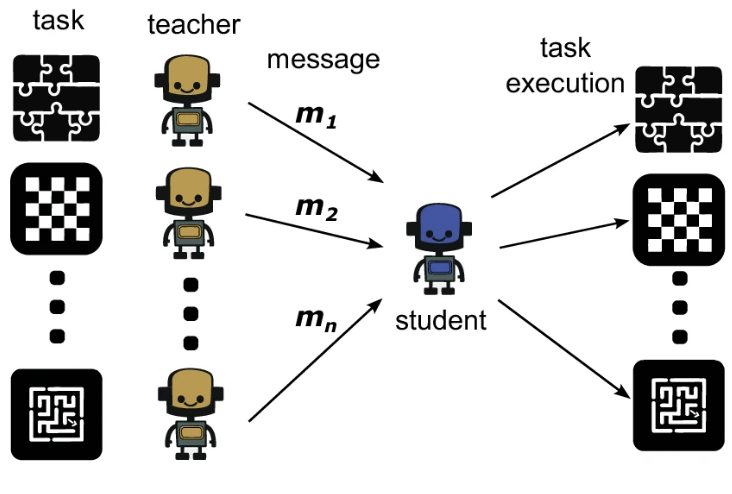 (a) Social Knowledge Interaction Among Multi-Agent Systems
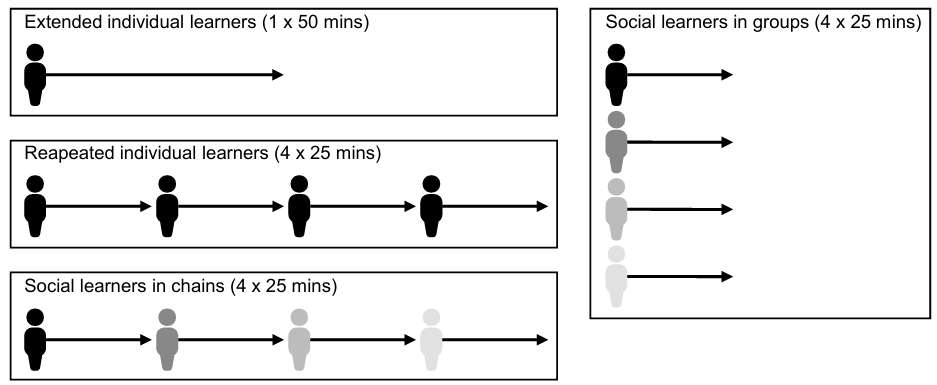 (b) The Social Learning Paradigm
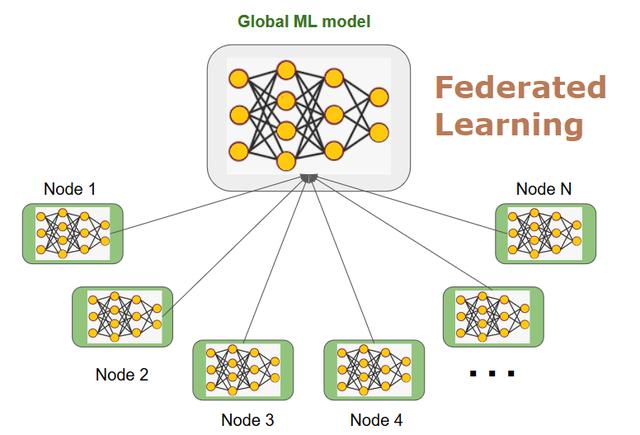
Federated learning is a machine learning framework that can effectively help multiple institutions to perform data usage and machine learning modeling under the requirements of user privacy protection, data security, and government regulations. Federated learning, as a distributed machine learning paradigm, can effectively solve the problem of data islands, allowing participants to jointly model on the basis of not sharing data, which can technically break data islands and achieve AI collaboration.
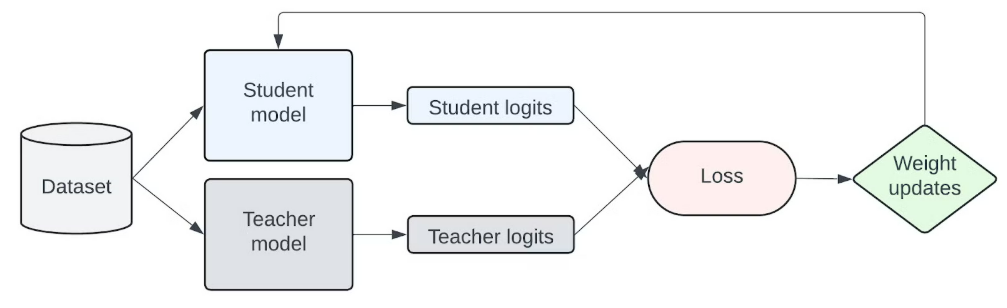
This research direction centers on the core technical framework of large model lightweighting, addressing the fundamental challenge that large language models and multimodal foundation models, due to their enormous parameter scales, are difficult to deploy in resource-constrained scenarios such as edge devices and mobile platforms. The research encompasses three complementary technical approaches: model pruning and sparsification, model quantization, and knowledge distillation. It compresses redundant parameters through structured pruning and low-rank decomposition, converts high-precision weights into low-precision representations via quantization-aware training to substantially reduce storage and computational overhead, and transfers knowledge from large models to lightweight student networks through knowledge distillation. Furthermore, the research explores dynamic inference mechanisms and collaborative compression strategies for mixture-of-experts architectures, seeking optimal trade-offs between accuracy preservation and resource efficiency, thereby establishing a complete technical pipeline from algorithmic design to engineering deployment and providing systematic solutions for the efficient deployment of large-scale pre-trained models in real-world applications.
Publications
- Zixuan Qin, Qi Shen, Liu Yang*, Qilong Wang, Qinghua Hu. Towards Rule-Based Knowledge Sharing in Federated Learning. International Conference on Machine Learning (ICML), 2026.
- Mengjie Li, Liu Yang*, Qi Shen. FedAR: Attribute-Guided Representation Learning for Heterogeneous Federated Learning. IEEE Conference on Computer Vision and Pattern Recognition Findings (CVPR), 2026.
- Tianshu Xiao, Liu Yang*, Sichang Guo, Qilong Wang, Qinghua Hu. FLToM: Robust Federated Learning with Theory-of-Mind Structure. IEEE Conference on Computer Vision and Pattern Recognition Findings (CVPR), 2026.
- Xing Zhao, Liu Yang*. Hebbian-Guided Bi-Directional Rank Adaptation for Parameter-Efficient Fine-Tuning. Annual Meeting of the Association for Computational Linguistics (ACL) findings, 2026.
- Haiyan Lin, Qi Shen, Fei Zhu, Zixuan Qin, Liu Yang, Yuping Duan. FedDNA: DNA Sequence Reconstruction via Deep Evidential Learning and Personalized Federated Aggregation. Association for the Advancement of Artificial Intelligence (AAAI), 2026.
- Liu Yang, Kegen Chen, Qilong Wang, Zhengyi Xu, Shiqiao Gu, Qinghua Hu. Heterogeneous Federated Dynamic Graph HyperNetwork for Image Classification. IEEE Transactions on Image Processing, 2026.
- 沈琪,杨柳,秦子轩,胡清华. 基于客户协作关系图的异构联邦学习方法. 中国科学:信息科学, 2026, 56(4): 1-17.
- Tianqi Jiang, Liu Yang*, Xile Zhao, Zixuan Qin, Qinghua Hu. Less Is More: Rethinking Parameter-Efficient Fine-Tuning from a Subtractive Perspective. Association for the Advancement of Artificial Intelligence (AAAI), 2026.
- Yuting Liu, Liu Yang*, Yu Wang. Long-Tailed Classification with Multi-Granularity Semantics. International Conference on Computer Vision (ICCV), 2025.
- Haodong Zhang, Liu Yang , Qinghua Hu, Liping Jing. Federated Continual Learning Based on Prototype Learning (in Chinese). Sci Sin Inform, 2024. (CCF-A类)
- Yuting Liu, Liu Yang , Yu Wang. Hierarchical Fine-grained Visual Classification Leveraging Consistent Hierarchical Knowledge. European Conference on Machine Learning, 2024. (CCF-B类)
- Liu Yang , Shiqiao Gu, Chenyang Shen, Xile Zhao, Qinghua Hu. Soft Independence Guided Filter Pruning, Pattern Recognition, 2024. (SCI一区)
- Siqi Deng, Liu Yang . Enhancing Consistent Federated Learning Objectives through Uniform Feature Distributions, IEEE International Conference on Multimedia and Expo , 2024. (CCF-B类)
- Jing Li, Liu Yang* , Qinghua Hu. Enhancing Multi-Source Open-Set Domain Adaptation through Nearest Neighbor Classification with Self-Supervised Vision Transforme, IEEE Transactions on Circuits and Systems for Video Technology , 2024.(SCI一区)
- Qilong Wang, Yiwen Wu, Liu Yang , Wangmeng Zuo, Qinghua Hu. Layer-Specific Knowledge Distillation for Class Incremental Semantic Segmentation, IEEE Transactions on Image Processing , 2024.(CCF-A类)
- Zixuan Qin, Liu Yang* , Qilong Wang, Qinghua Hu. Reliable and Interpretable Personalized Federated Learning, IEEE Conference on Computer Vision and Pattern Recognition , 2023.(CCF-A类)
- Jing Li, Liu Yang* , Qilong Wang, Qinghua Hu. WDAN: A Weighted Discriminative Adversarial Network with Dual Classifiers for Fine-Grained Open-Set Domain Adaptation, IEEE Transactions on Circuits and Systems for Video Technology , 2023.(SCI一区)
- Jing Li, Liu Yang* , Qilong Wang, Qinghua Hu. Corse helps fine: A Multi-Granularity Discriminative Adversarial Network for Fine-grained Open Set Domain Adaptation. IEEE International Conference on Multi-media and Expo , 2023.(CCF-B类)
- Zixuan Qin, Liu Yang* , Fei Gao, Qinghua Hu, Chenyang Shen. Uncertainty-Aware Aggregation for Federated Open Set Domain Adaptation, IEEE Transactions on Neural Networks and Learning Systems , 2022.(SCI一区)
- Yikang Wei, Liu Yang* , Yahong Han, Qinghua Hu. Multi-source Collaborative Contrastive Learning for Decentralized Domain Adaptation. IEEE Transactions on Circuits and Systems for Video Technology , 2022.(SCI一区)
- Liu Yang , Chenyang Shen, Qinghua Hu*, Liping Jing, Yingbo Li. Adaptive Sample-Level Graph Combination for Partial Multiview Clustering, IEEE Transactions on Image Processing , Accept.(CCF-A类)
- Lei Zhang, Yueqiang Zhang, Beibei Wang, Xiaolong Zheng, Liu Yang* . WiCrowd: Counting the Directional Crowd with A Single Wireless Link, IEEE Internet of Things Journal , 2020, Accepted.(SCI一区)
- Liu Yang ; Li Maoying; Shen Chenyang; Hu Qinghua*; Wen Jia; Xu Shujie; Discriminative Transfer Learning for Driving Patterns Recognition in Unlabeled Scenes, IEEE Transactions on Cybernetics , 2020, Accepted.(SCI一区)
- Hui Li, Liu Yang* , and Fei Gao. More Attentional Local Descriptors for Few-Shot Learning. International Conference on Artificial Neural Networks . Springer, Cham, 2020.(CCF-C类)
- YaNing Li, Liu Yang* . More Correlations Better Performance: Fully Associative Networks for Multi-label Image Classification. International Conference on Pattern Recognition , 2020.(CCF-C类)
- Jia Wen, Liu Yang* , Chenyang Shen, Fast and Robust Compression of Deep Convolutional Neural Networks, International Conference on Artificial Neural Networks , 2020.(CCF-C类)
- Yafang Li, Caiyan Jia, Xiangnan Kong, Liu Yang , and Jian Yu. Locally weighted fusion of structural and attribute information in graph clustering. IEEE Transactions on Cybernetics , 49(1): 247-260, 2019.(SCI一区)
- Yao Tan, Liu Yang* , Qinghua Hu, Zhibin Du. Batch Mode Active Learning for Semantic Segmentation Based on Multi-Clue Sample Selection, in Proceedings of the 28th ACM International Conference on Information and Knowledge Management (CIKM) , 2019. November 3-7, 2019 China National Convention Center, Beijing, China(CCF-B类)
- Lei Zhang, Zhirui Wang, Liu Yang* . Commercial Wi-Fi Based Fall Detection with Environment Influence Mitigation, in Proceedings of International Conference on Sensing, Communication and Networking, (SECON), 2019.(CCF-B类)
- Jian Xu, Xinyue Wang, Zixin Cai, Liu Yang , Liping Jing. Informative Instance Detection for Active Learning on Imbalanced Data, International Joint Conference on Neural Networks, (IJCNN), Budapest Hungary, 14-19 July 2019.(CCF-C类)
- Pengfei Zhu, Ren Qi, Qinghua Hu, Qilong Wang, Changqing Zhang and Liu Yang , Beyond similar and dissimilar relations: A kernel regression formulation for metric learning, in Proceedings of International Joint Conference on Artificial Intelligence (IJCAI), 2018, 3242-3248.17.(CCF-A类)
- Bangjun Wang, Liu Yang , Li Zhang, and Fanzhang Li, Robust Multi-view Features Fusion Method Based on CNMF, in Proceedings of the 25th International Conference on Neural Information Processing (ICONIP), 2018, 27-39.(CCF-C类)
- Liu Yang , Jian Yu, Ye Liu, Dechuan Zhan. Research Progress on the Cognitive Oriented Multi-Source Data Learning Theory and Algorithm, Journal of Software, 28(11):2971-2991, 2017.(CCF-中文A类)
- Liping Jing, Chenyang Shen, Liu Yang , Jian Yu, and Michael K. Ng. Multi-Label Classification by Semi-Supervised Singular Value Decomposition. IEEE Transactions on Image Processing , 26(10): 4612-4625, 2017.(CCF-A类)
- Liu Yang , Liping Jing, and Jian Yu. Common latent space identification for heterogeneous co-transfer clustering, Neurocomputing, 269: 29-39, 2017.(SCI二区)
- Liu Yang , Liping Jing, Jian Yu, and Michael K. Ng. Learning transferred weights from co-occurrence data for heterogeneous transfer learning, IEEE Transactions on Neural Networks and Learning Systems , 27(11): 2187-2200, 2016.(SCI一区)
- Liu Yang , Liping Jing, Michael K. Ng, and Jian Yu. A discriminative and sparse topic model for image classification and annotation, Image and Vision Computing, 51: 22-35, 2016.(SCI三区)
- Liu Yang , Liping Jing, and Jian Yu. Common latent space identification for heterogeneous co-transfer clustering, in the 2015 International Conference of Intelligence Science and Big Data Engineering (ISCIDE), 2015, 395-406.
- Liu Yang , Liping Jing, and Michael K. Ng. Robust and non-negative collective matrix factorization for text-to-image transfer learning, IEEE Transactions on Image Processing , 24(12): 4701-4714, 2015.(CCF-A类)
- Liu Yang , Liping Jing, Jian Yu. A transductive heterogeneous transfer learning algorithm, Journal of Software, 26(11): 2762-2780, 2015.(CCF-中文A类)
- Liu Yang , Jian Yu, Liping Jing. An adaptive large margin nearest neighbor classification algorithm, Journal of Computer Research and Development, 50(11): 2269-2277, 2013.(CCF-中文A类)
- Liping Jing, Liu Yang , Jian Yu, Michael K. Ng. Semi-supervised low-rank mapping learning for multi-label classification, in the IEEE Conference on Computer Vision and Pattern Recognition (CVPR), 2015, 1483-1491.(CCF-A类)
- Liping Jing, Peng Wang, Liu Yang . Sparse probabilistic matrix factorization by Laplace distribution for collaborative filtering, in Proceedings of the 24th International Joint Conference on Artificial Intelligence (IJCAI), 2015, 1771-1777.(CCF-A类)
- Liu Yang , Liping Jing, and Jian Yu. Heterogeneous co-transfer spectral clustering, in the 9th International Conference on Rough Sets and Knowledge Technology (RSKT), 2014, 352-363.
Projects
- 好奇心驱动的联邦持续学习方法研究,国家自然基金面上项目,2025/01-2028/12,主持.
- 复杂动态环境下无人机集群的鲁棒安全联邦学习及群智演进,国家自然基金重点项目,2024/01-2027/12,参与.
- 面向不均衡客户端数据的自适应联邦学习方法研究, 国家自然基金面上项目, 2021/01-2024/12, 主持.
- 半配对的图像和文本异构迁移学习方法研究, 国家自然基金青年项目, 2018/01-2020/12, 主持.
- 面向大数据机器学习的不确定性建模理论与方法, 国家自然基金重点项目, 2018/01-2022/12, 参与.
- 高维数据挖掘的NMF关键问题研究, 国家自然基金, 2014.01-2017.12, 参与.
- 基于文本信息的图像语义理解关键问题研究, 教育部博士点基金, 2013.01-2015.12, 参与.
- 弱监督学习算法, 北京市自然科学基金, 重点研究专题, 2019-2022.
- 智能无人系统深度强化学习控制算法的研发与应用,天津市科技重大与工程, 2019.10-2022.09.
- 智能中药材识别系统技术开发, 横向课题.
- 驾驶场景各阶段场景理论研究与技术实现, 横向课题.
Competitions
- 2024年“挑战杯”天津市大学生创业计划竞赛金奖,2024.
- 昇腾AI创新大赛2024天津赛区铜奖,2024.
- 中国国际大学生创新大赛(2023) (原第九届中国国际互联网+创新创业大赛) 全国金奖,2023.
- 中国国际大学生创新大赛(2023) (原第九届中国国际互联网+创新创业大赛) 天津赛区华为企业赛道银奖,2023.
- 第十八届“挑战杯”全国大学生课外学术科技作品竞赛天津赛区特等奖,2023.
- 第八届中国国际互联网+创新创业大赛天津赛区主赛道金奖,企业赛道银奖,2022.
- 华为2022昇腾AI创新大赛决赛天津赛区铜奖, 2022.
- 天津海河教育园区产教融合大学生创新创业大赛银奖, 2021.
Ph.D. Students 博士生
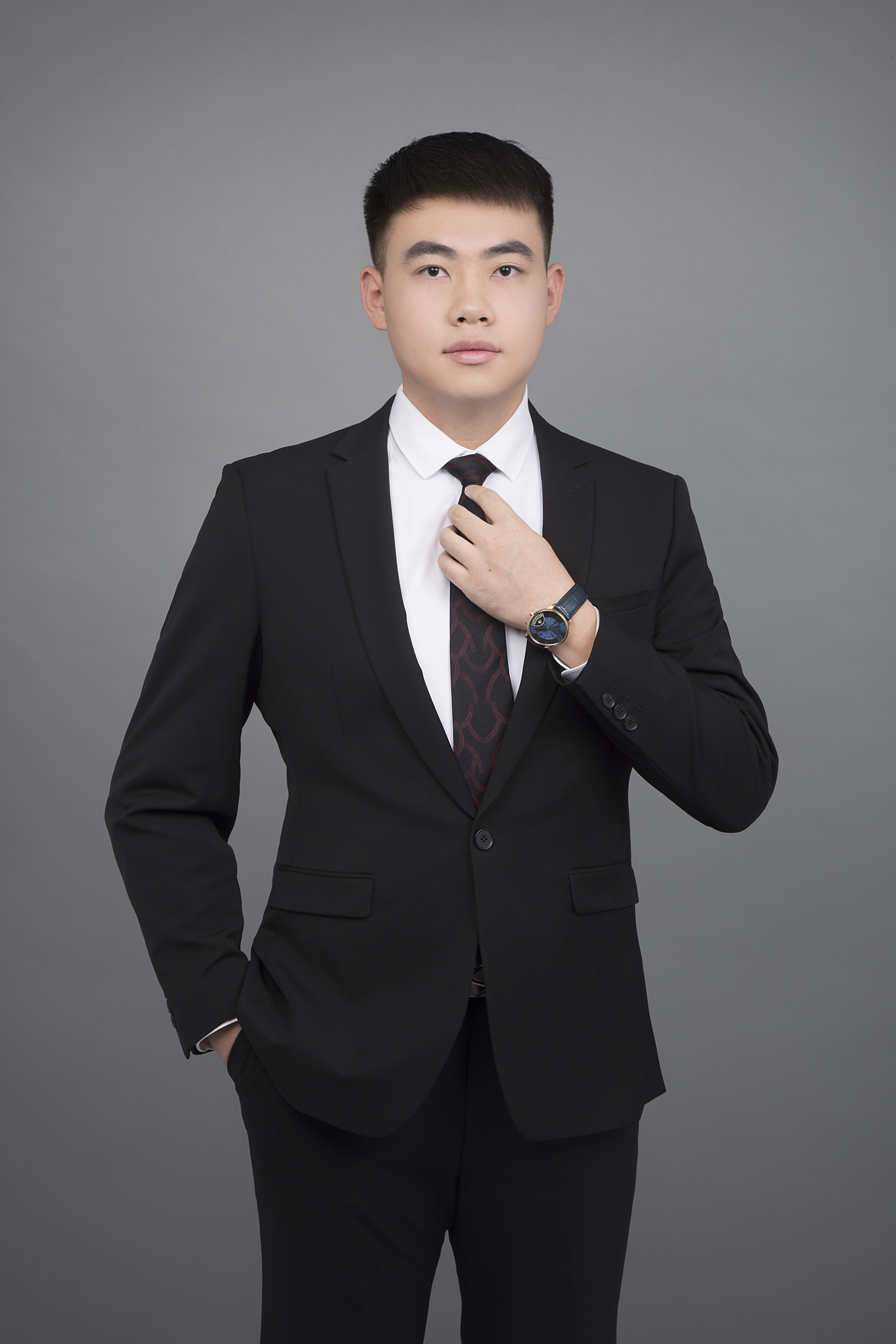
秦子轩
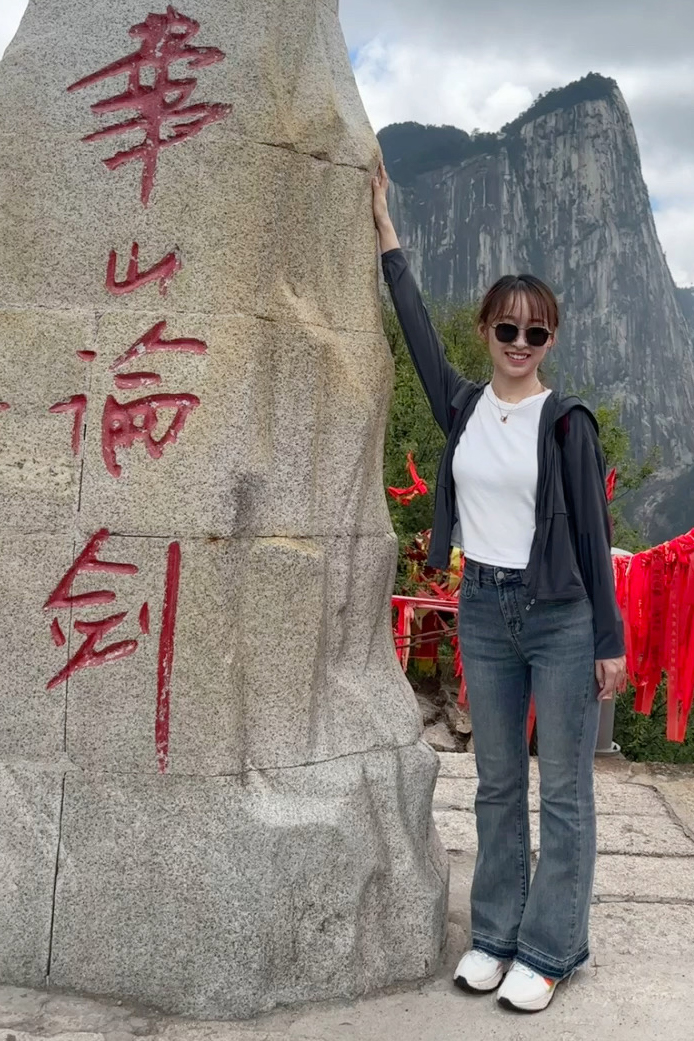
沈琪
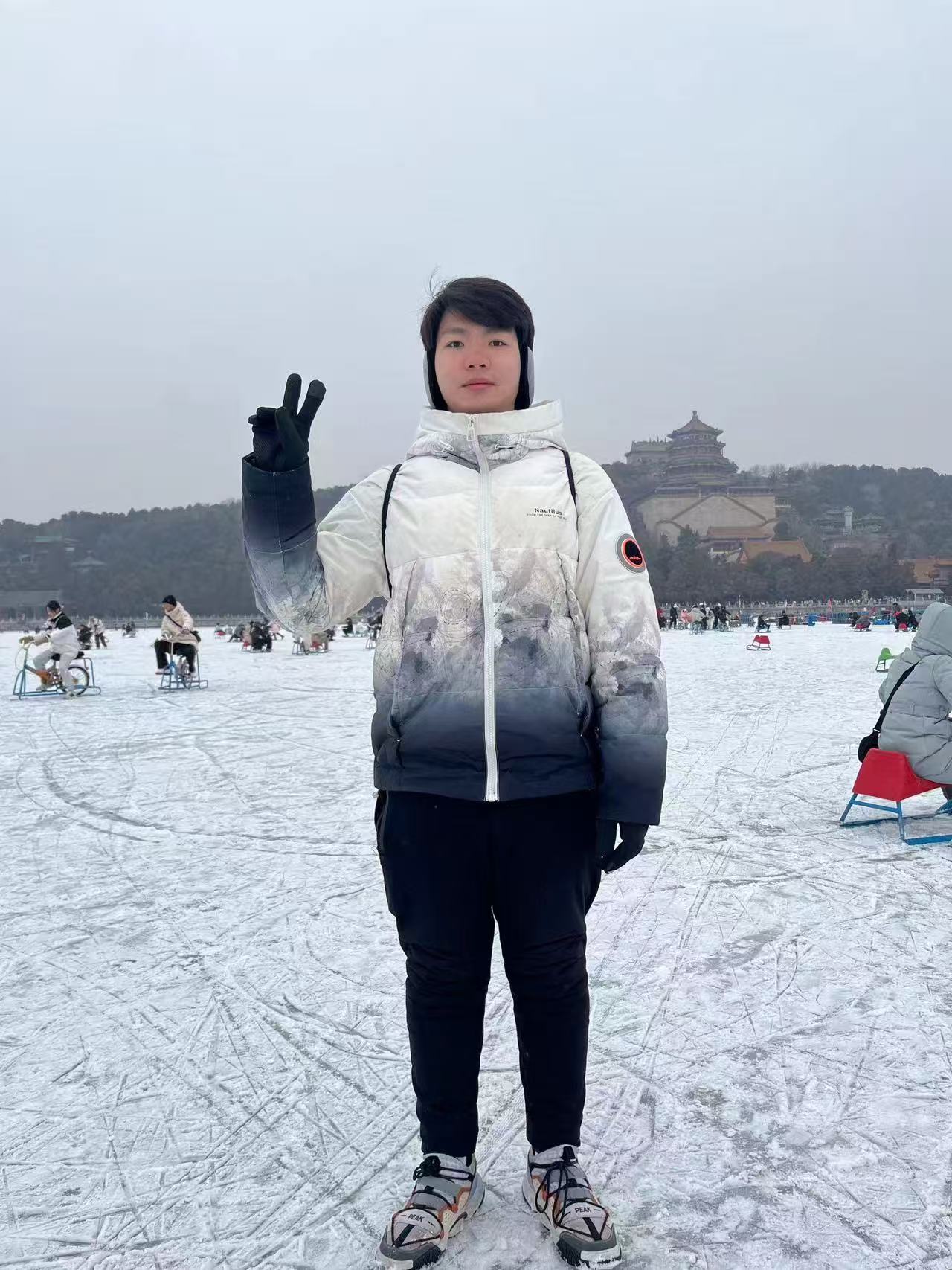
谈永樟
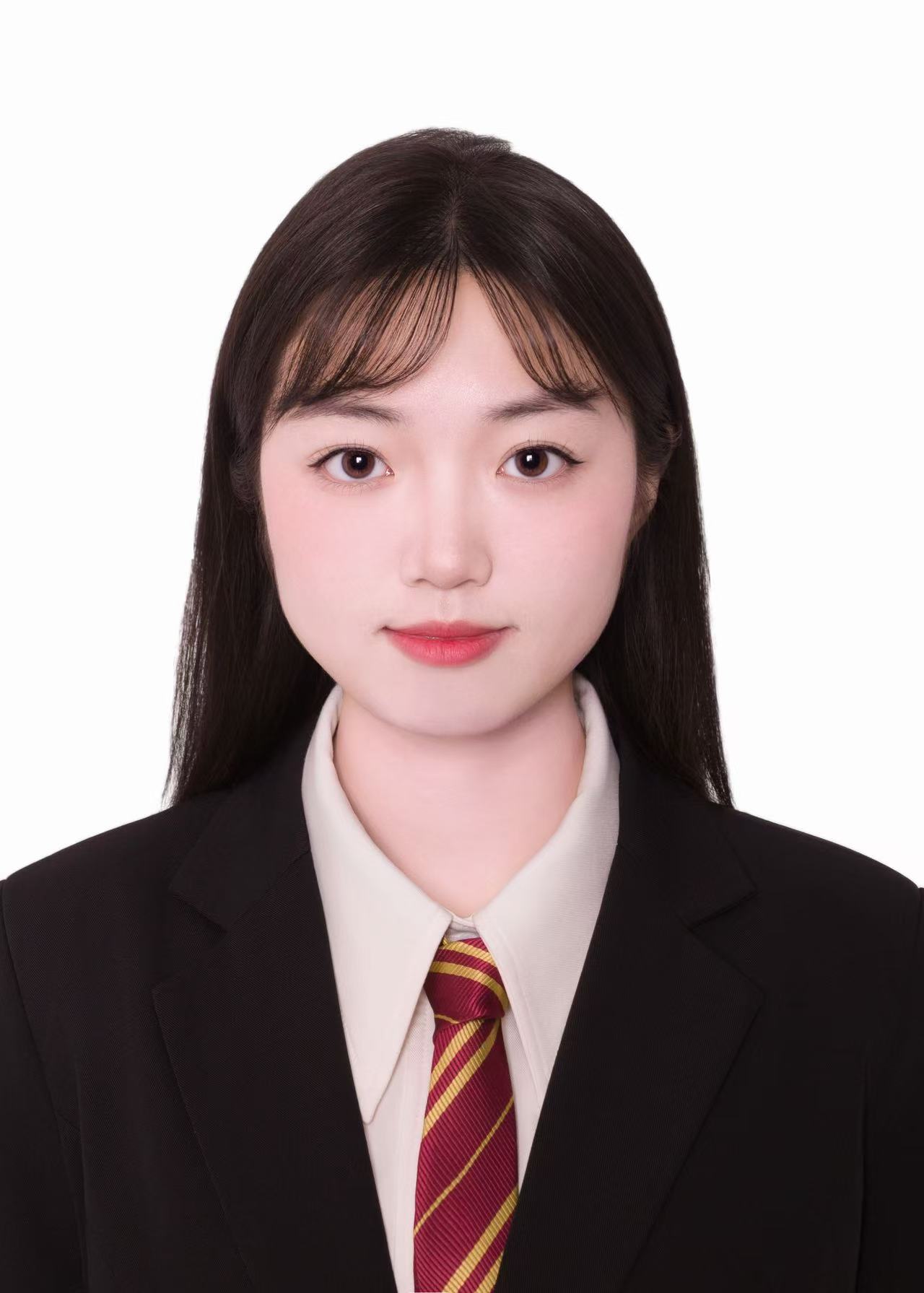
张美晗
Master Students 硕士生

姜天祺

李梦洁

姜子涵

张鹏越
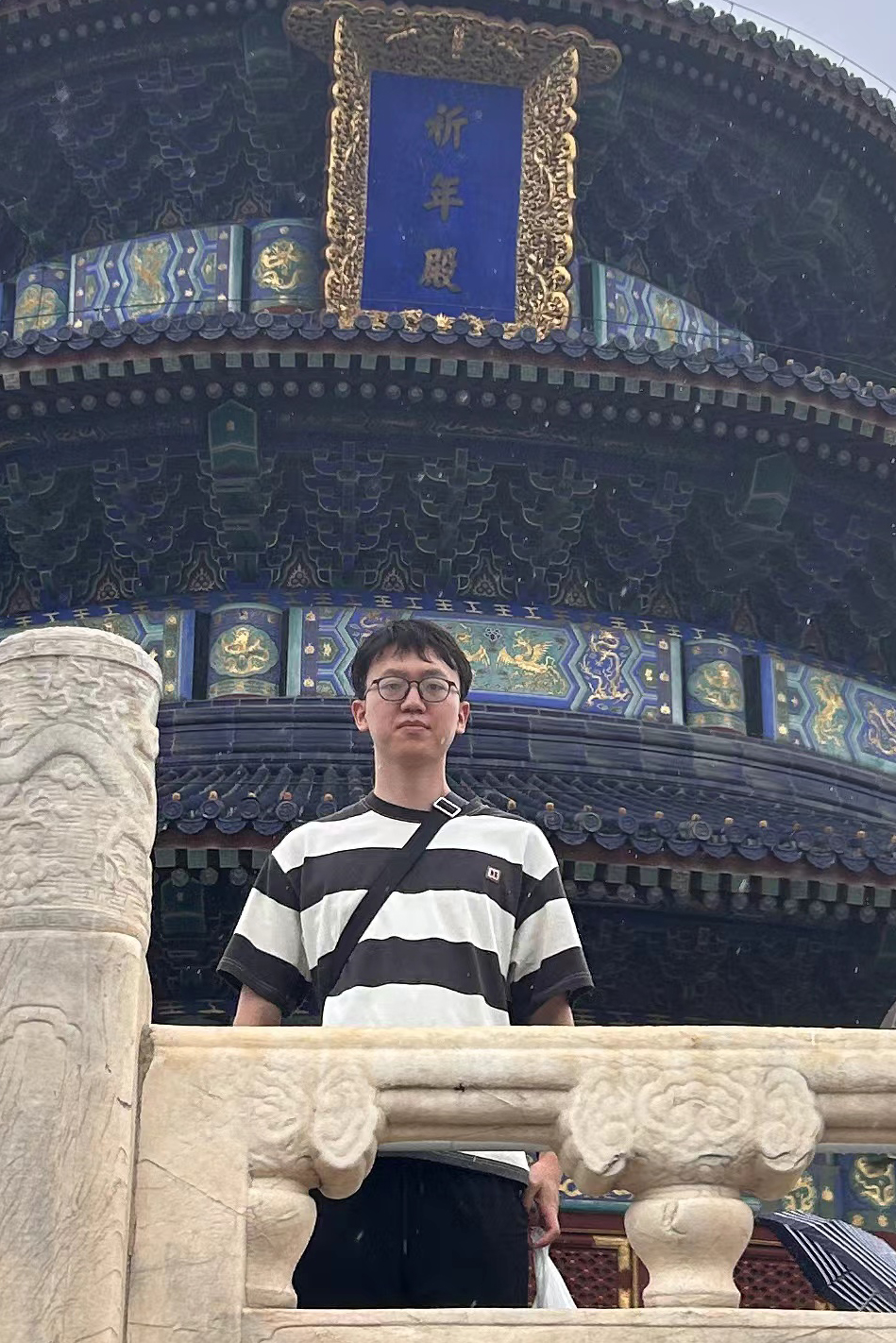
陈铎
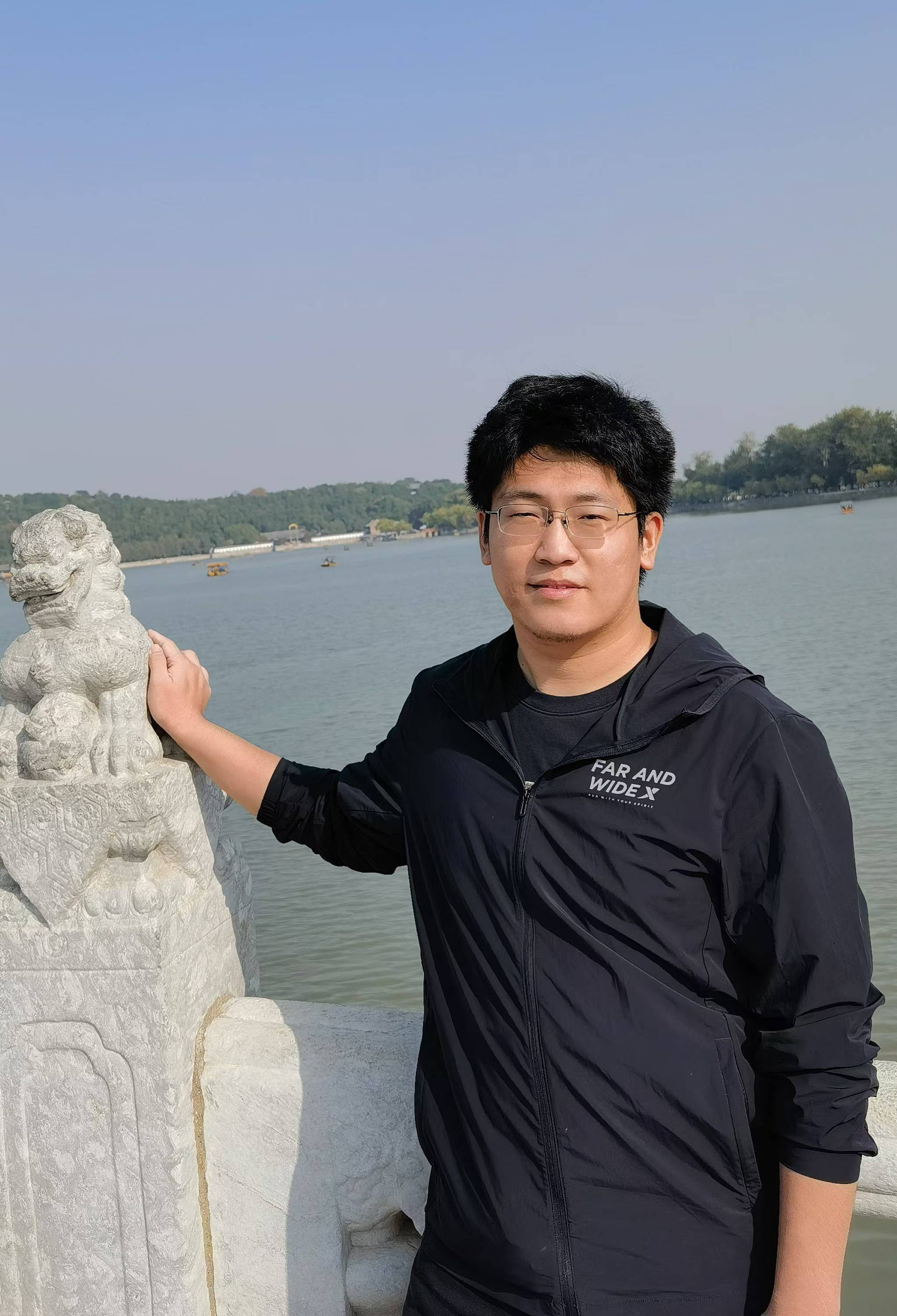
陈柯亘
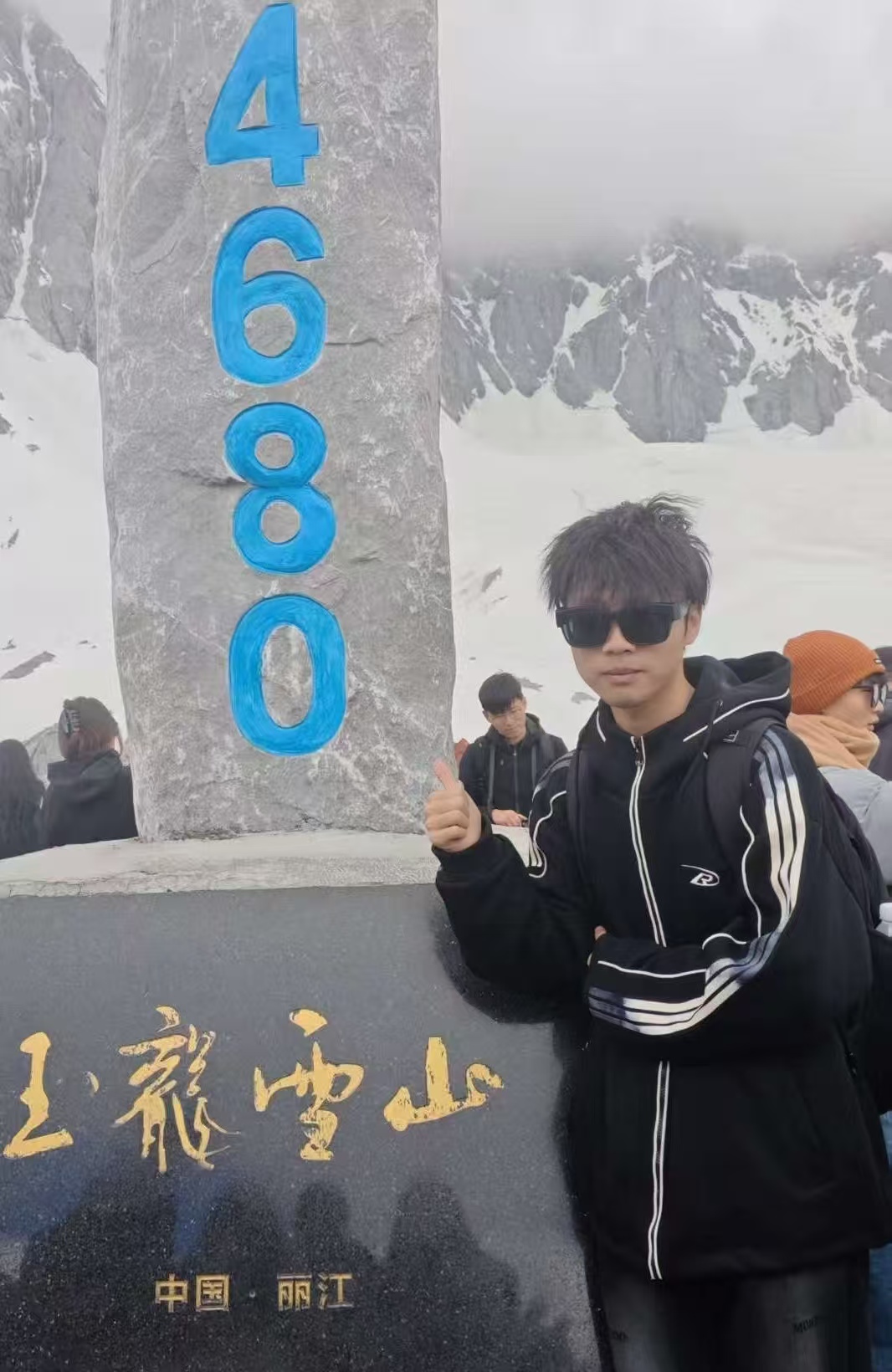
赵星
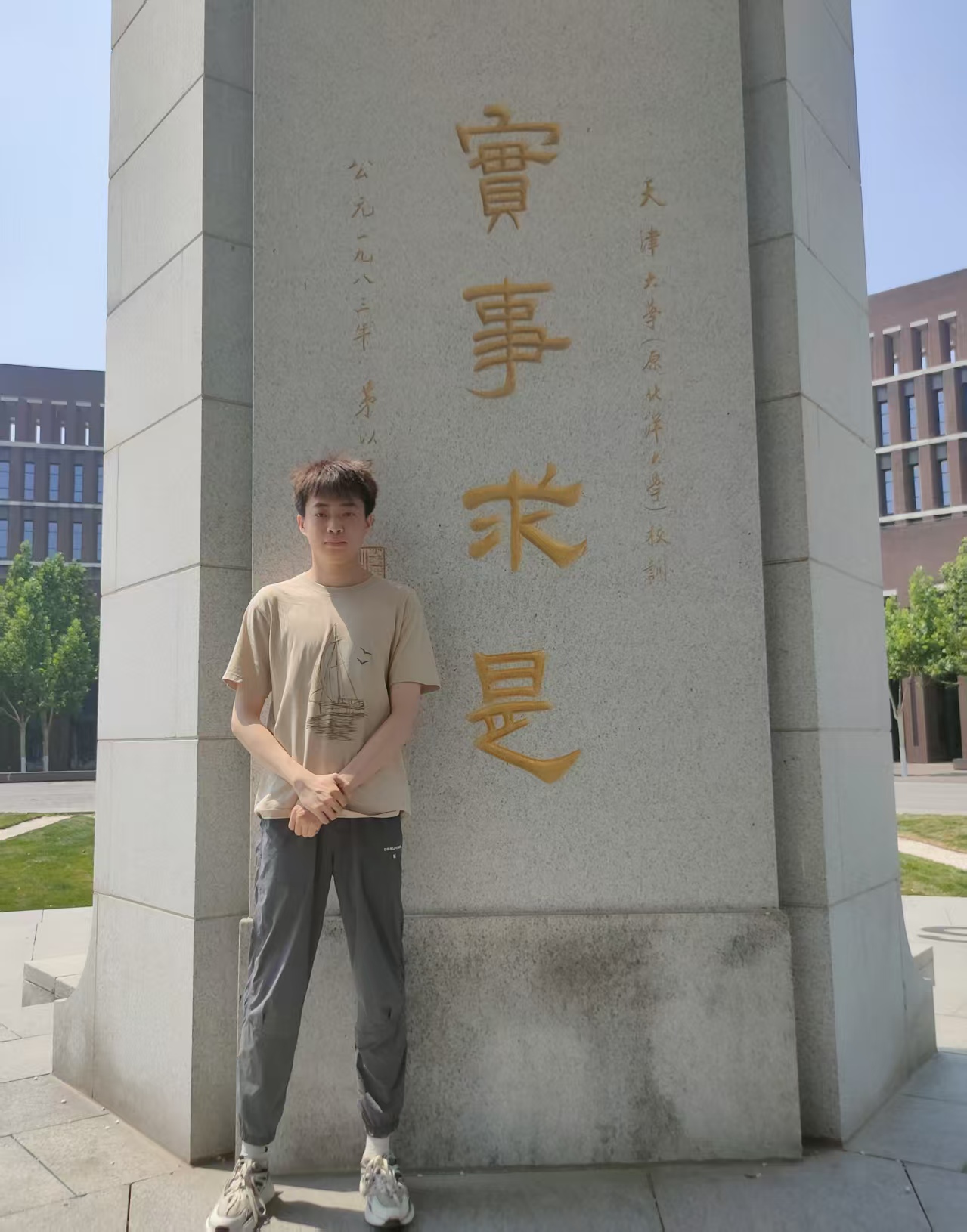
杨玥琦
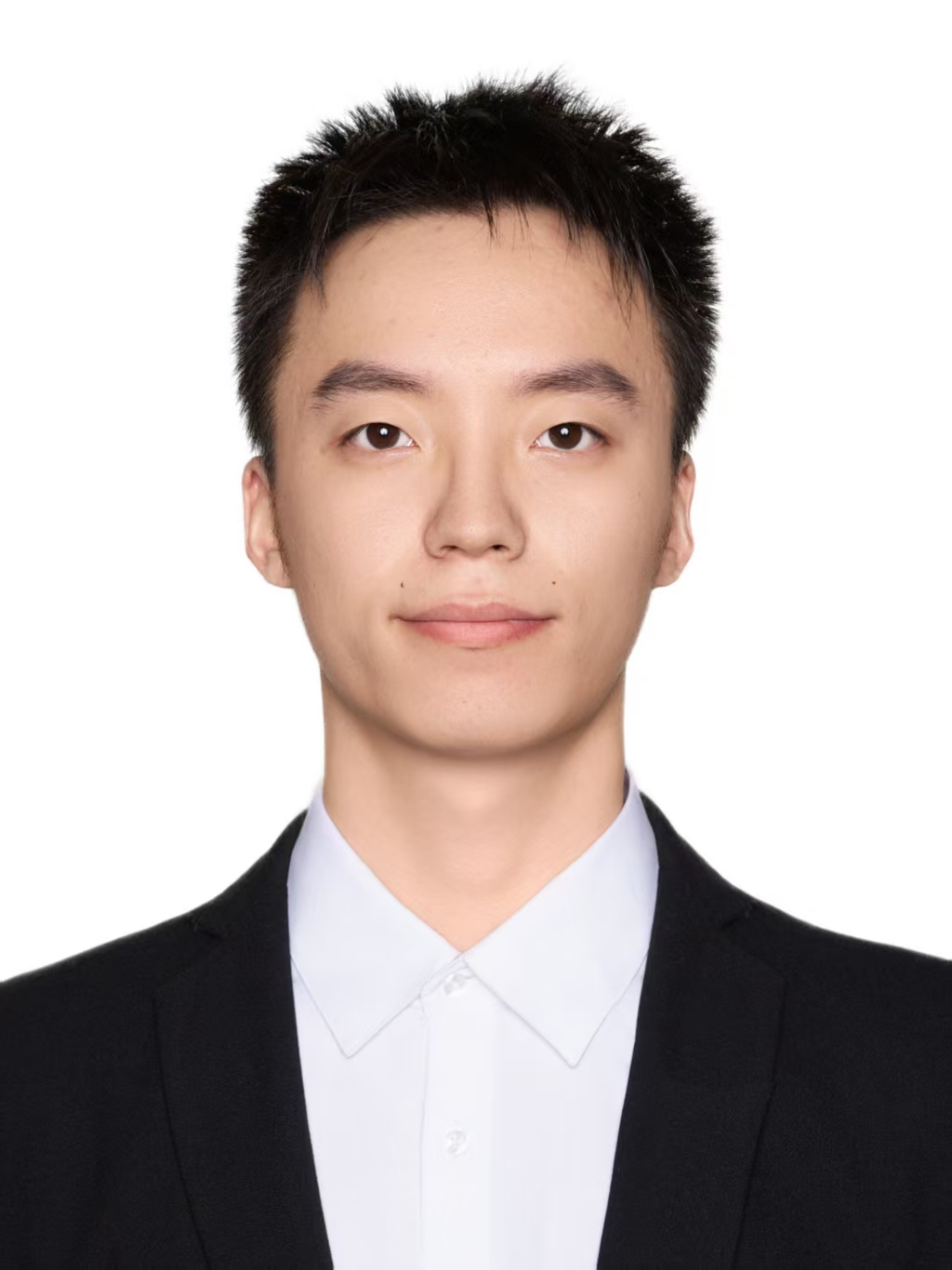
霍晨阳
马明朝
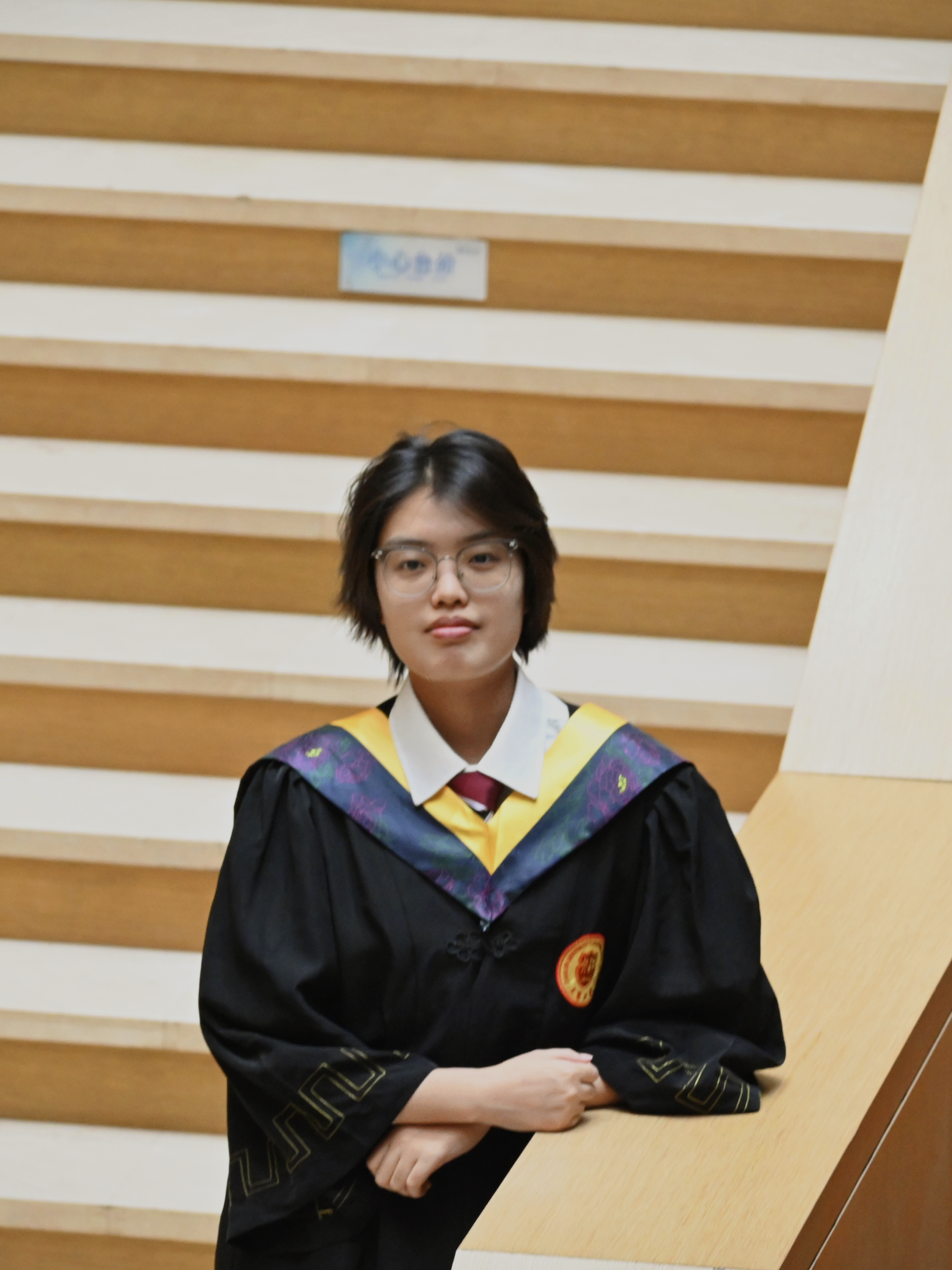
杨斐然
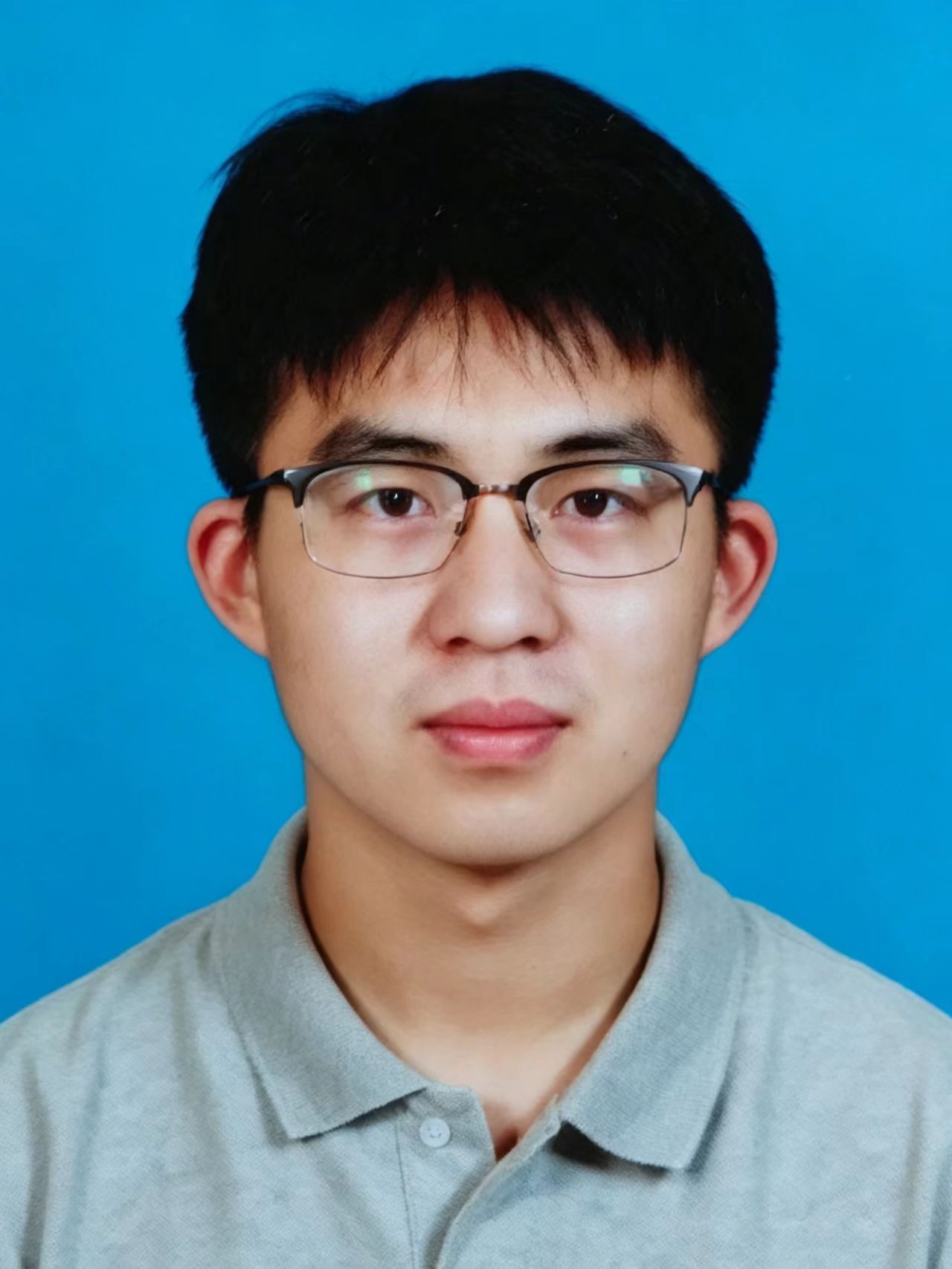
丛凡翔
Alumni 毕业生
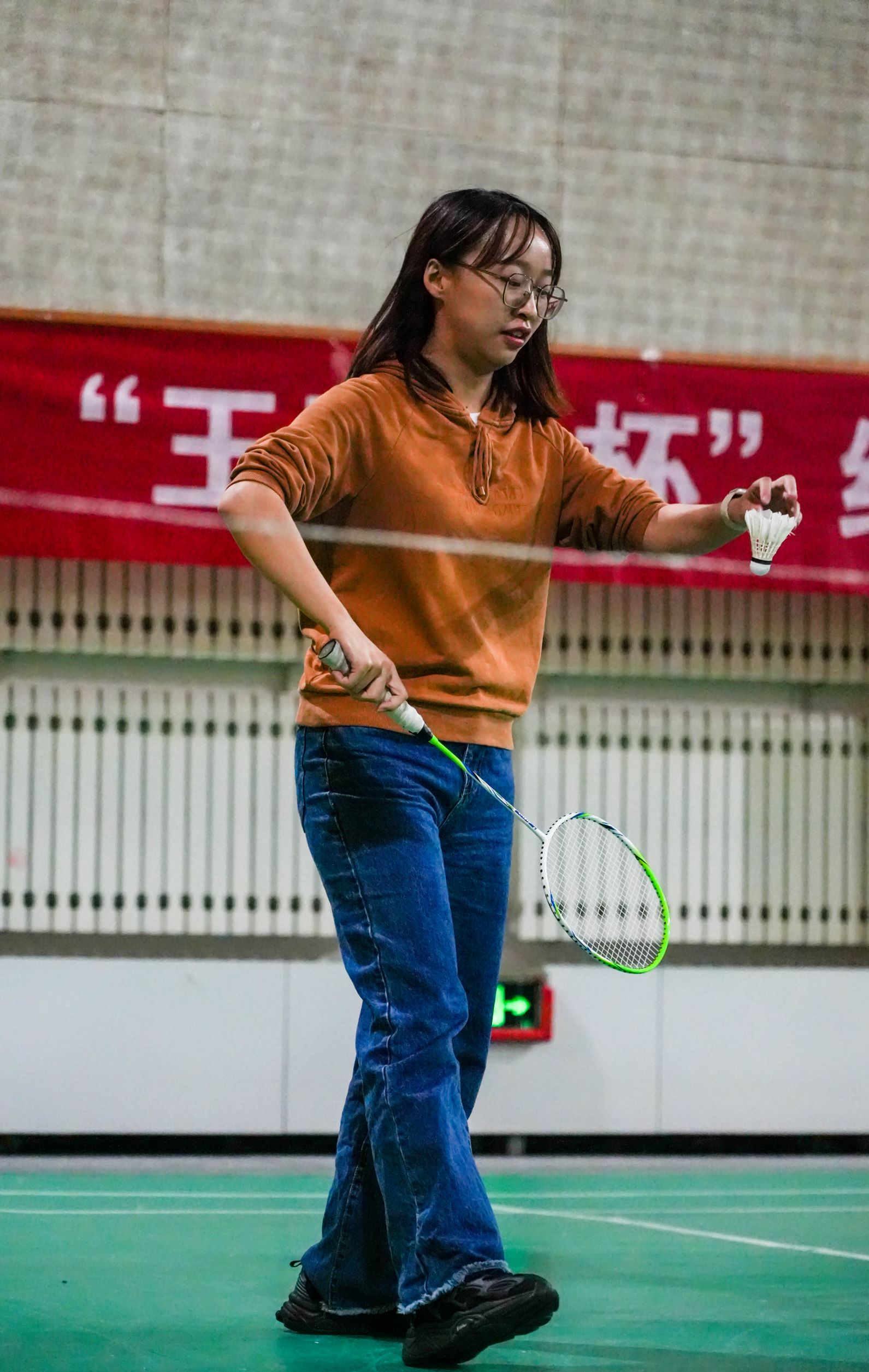
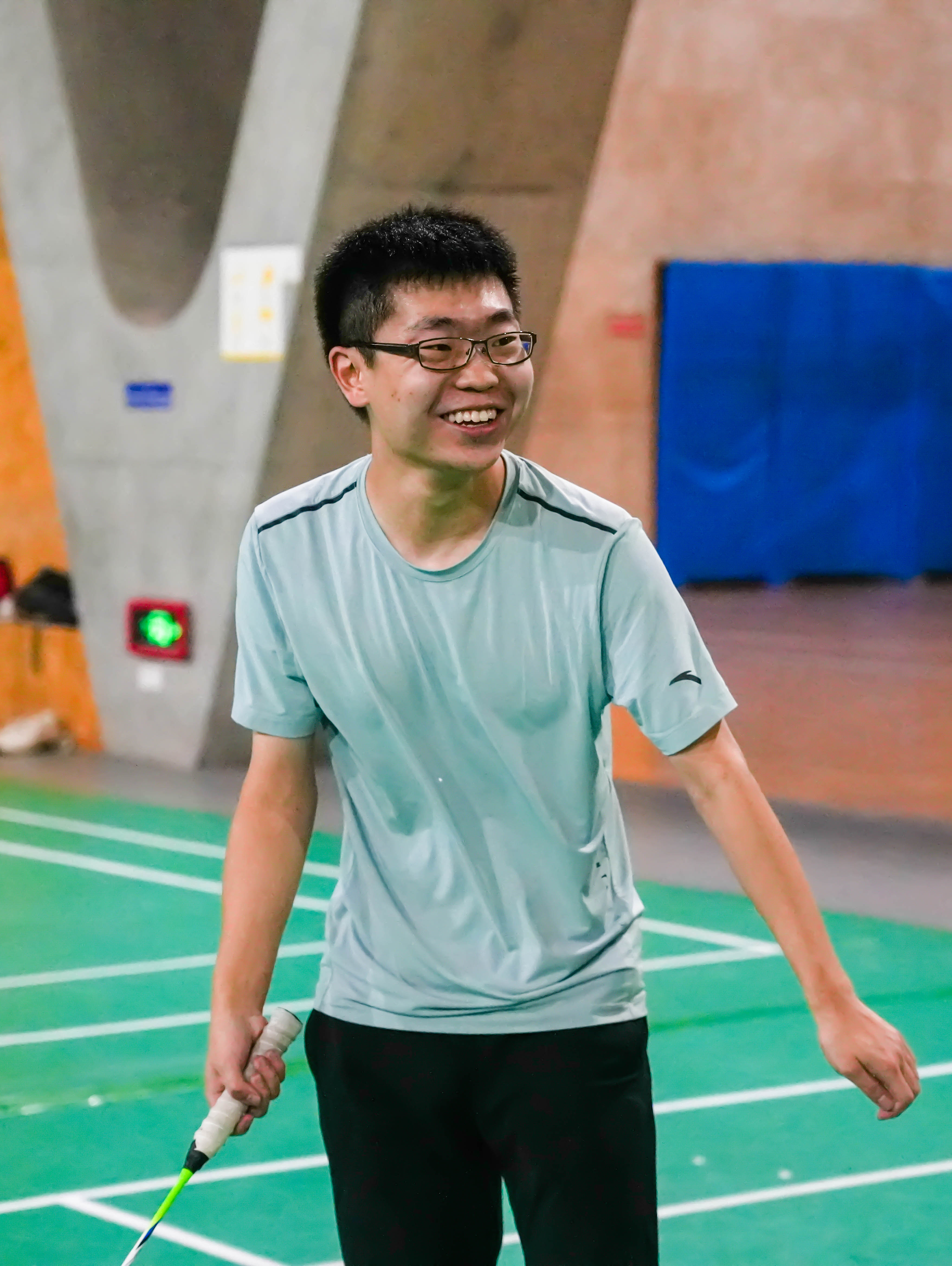
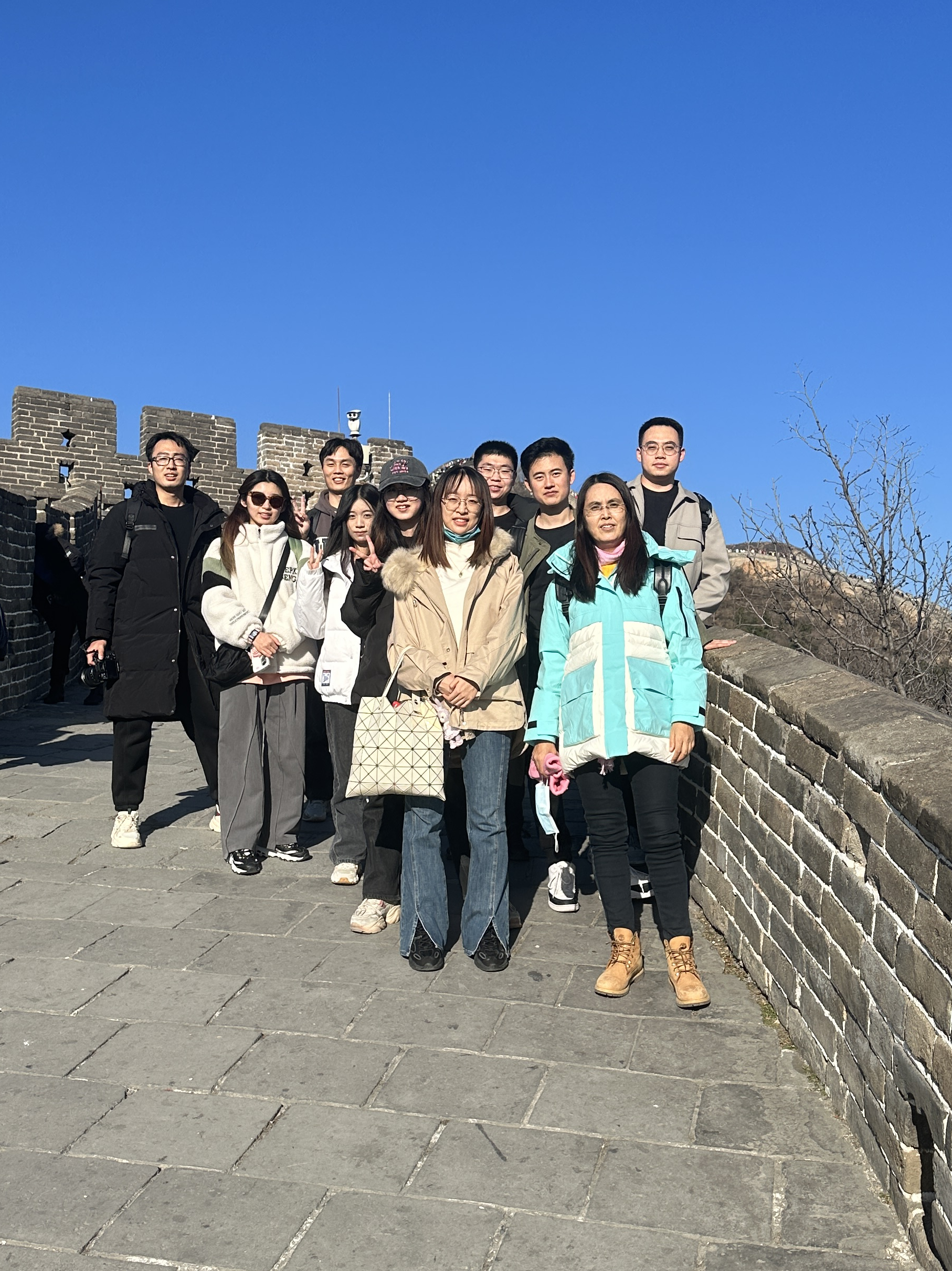
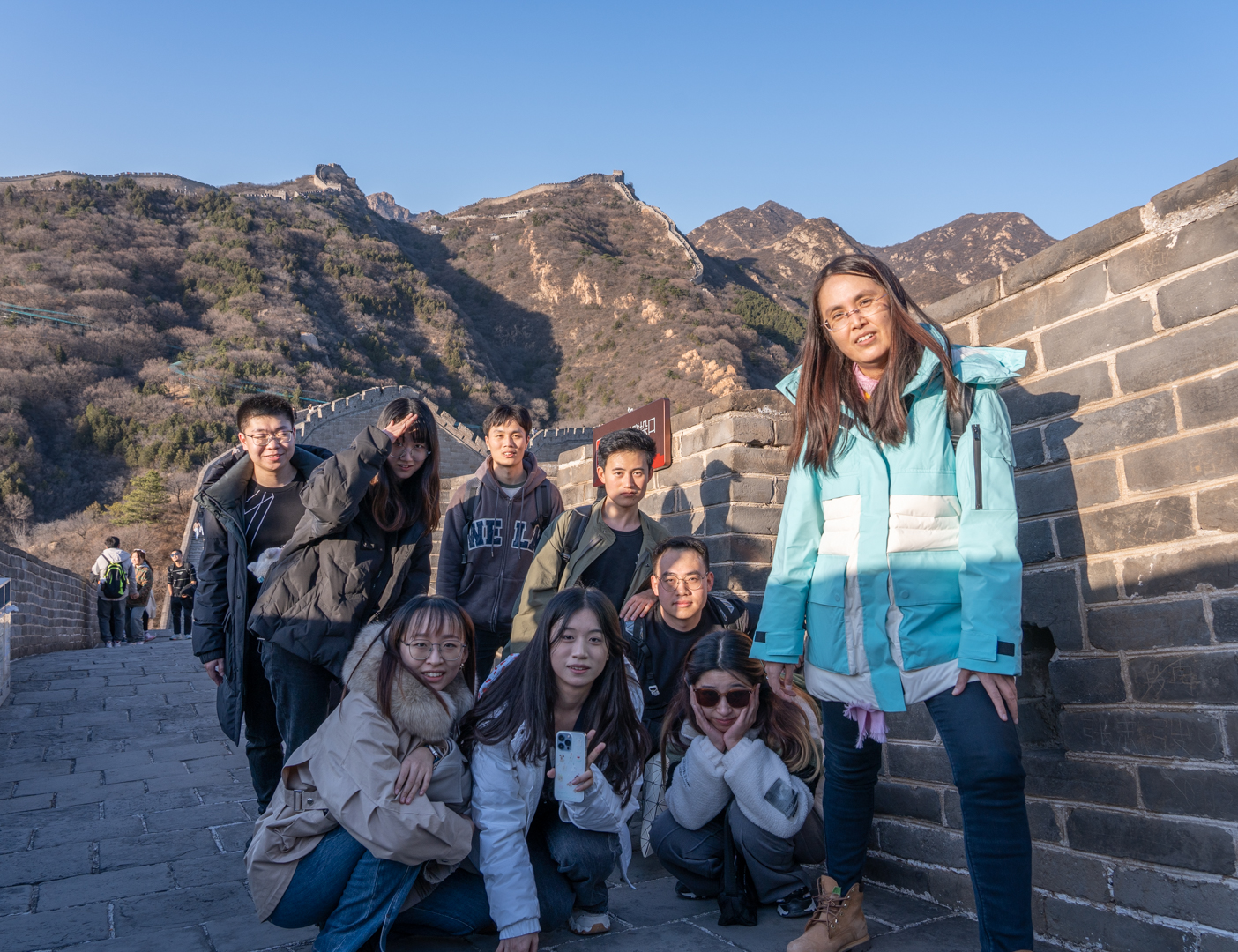
Photos